Quick answer: A 2026 guide to Heritage Revitalization Agreements (HRAs) in Vancouver, explaining how owners of heritage or character homes can gain extra density, added units, or a subdivision in exchange for permanent protection, and when an HRA is a better choice than building a standard multiplex.
A working realtor's guide to Heritage Revitalization Agreements in Vancouver. How keeping a character or heritage home can win you extra units or a subdivision, the trade-offs and timeline, and when an HRA beats simply building a multiplex.
Want a free assessment for your property?
Leave your name and phone — Greyden will call you back with a personalized market snapshot. No spam, no drip campaigns.
Join 1,000+ Vancouver homeowners. No spam, unsubscribe anytime.
I walked a client through a 1912 house on the West Side last year. It had solid bones, original woodwork, and the kind of front porch people slow down to look at. His plan was straightforward: knock it down and build a multiplex.
I asked him to hold off for a minute. On a house like that, there is a third path most owners never hear about, and it can be worth real money. It is called a Heritage Revitalization Agreement, or HRA. This guide explains what it is, how you get one, the trade-offs, and when it beats simply demolishing and building.
What a Heritage Revitalization Agreement actually is
An HRA is a legal agreement between you and the City of Vancouver. You agree to protect and restore a heritage or character home permanently. In return, the city grants relaxations that a standard lot would never get.
Those relaxations can take several forms. Extra floor area beyond what the zoning allows. One or more added units, often in a new infill building or coach house behind or beside the old house. In some cases, the right to subdivide the lot. The exact package is negotiated case by case, based on how significant the home is and how it fits the neighbourhood.
The key word is permanent. Once the agreement is signed, the protection is registered on the title. It binds you, and it binds every owner who comes after you. That is the trade: lasting protection of the house in exchange for density you could not otherwise build.
Why the city offers this
Vancouver has been losing older homes for years as land value pushed owners toward demolition. Standard zoning gives you little reason to keep a tired character house when a new build is worth more. The HRA flips that. It gives the house an economic value by attaching density to keeping it, so restoring the home becomes the profitable choice instead of the costly one.
For the city, the payoff is that character streets keep their character while still adding homes. For you, the payoff is a property that is often worth more restored and expanded than it would be as a bare rebuild.
How the process works
An HRA is more involved than pulling a permit, and it helps to know that going in.
Step one: assess the home
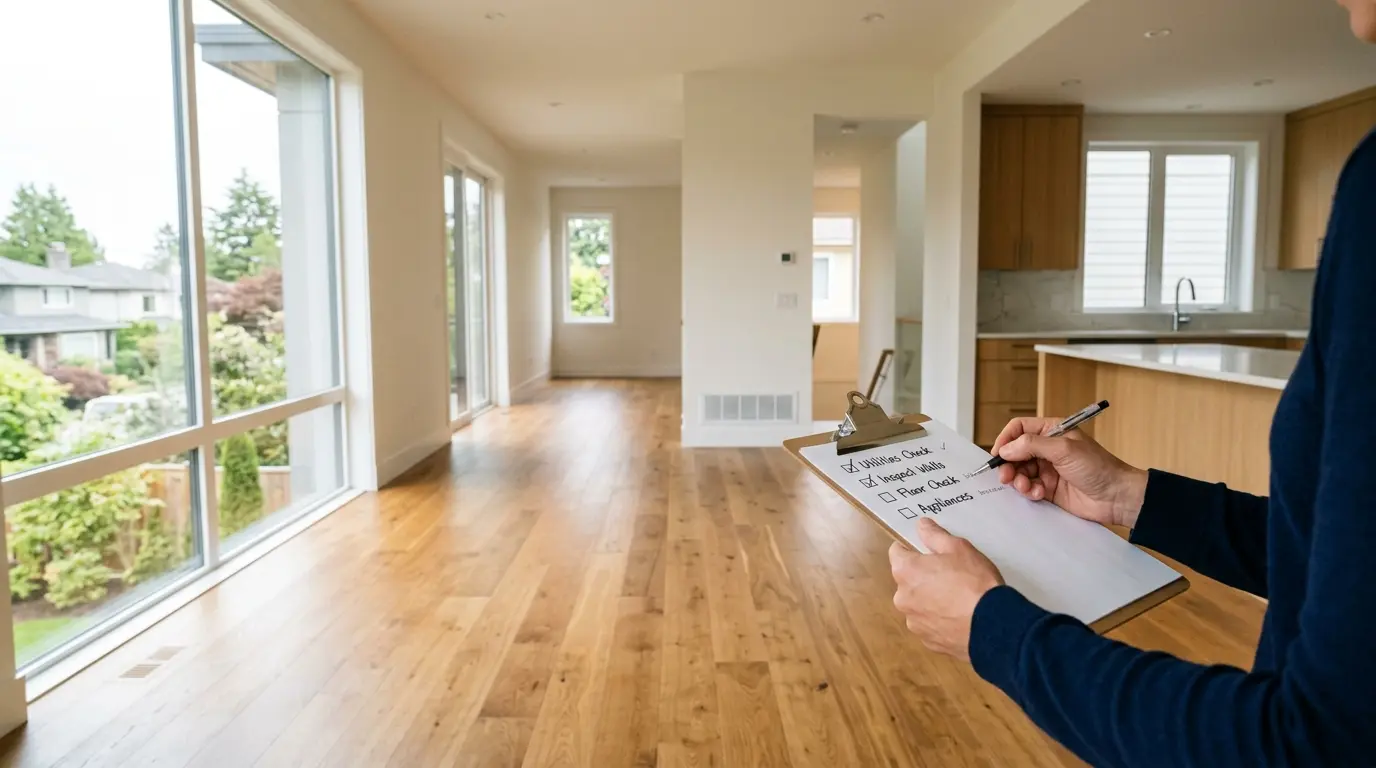
First, someone has to establish that the house has heritage or character value worth protecting. That usually means a heritage consultant preparing an assessment. Not every old house qualifies. The home needs genuine value in the city’s eyes for an HRA to be on the table.
Step two: design and negotiate
Next you work with an architect and the city’s heritage planning team on a design that restores the old house and adds the new density. This is a back-and-forth. The amount of extra floor area or number of units is negotiated, not handed to you off a chart. What you can win depends on the home, the lot, and the context.
Step three: public hearing and Council
Because an HRA changes the rules for one specific lot, it goes to a public hearing and then to City Council for approval. Neighbours can comment. This is the step that makes the timeline long and less certain than a standard build.
Step four: registration and restoration
Once approved, the agreement is registered on title, and you carry out the restoration and the new construction under its terms.
Plan for the extra time and cost across all of this. Expect the approval stage alone to run many months, plus professional fees for a heritage consultant, an architect, and usually a lawyer.
The pros and cons, honestly
Here is how I lay it out for clients.
The upside: you keep a home with real character, you gain density a normal lot cannot get, and on the right property the restored house plus new units is worth more than a teardown and rebuild. You also avoid the waste and disruption of demolishing a sound old building.
The downside: it takes longer and costs more up front. The approval is less certain because it goes to a public hearing. The protection is permanent, so you and every future owner are locked into keeping and maintaining the heritage home, and you cannot demolish it later even if the market changes.
HRA or a straight multiplex?
This is the real question, and the answer is always specific to the property.
An HRA tends to win when the existing home has genuine character or heritage value, sits on a good lot, and the numbers work once you add up the restored house plus the new density. In higher-value West Side neighbourhoods, keeping a well-regarded character home can add meaningfully to the finished value.
A standard multiplex tends to win when the house has no heritage value or is in rough shape. In that case there is nothing worth protecting, and a straight rebuild under Bill 44, which allows up to eight units on a typical R1-1 lot, is simpler, faster, and usually cheaper. Our multiplex page covers how those projects pencil out, and our guide to R1-1 zoning in Vancouver explains what the base zoning gives you before any heritage bonus.
If you are buying a character property with an HRA in mind, or buying one that already has an HRA on title, read the agreement closely and get advice before you commit. Our buyers’ guide covers the wider due diligence process. The point I stress is simple: an HRA is a custom deal, so the value lives in the details of that specific home and lot.
Key Takeaways
- A Heritage Revitalization Agreement lets you keep and restore a character or heritage home in exchange for density a normal lot cannot get, such as extra units or a subdivision.
- The protection is permanent and registered on title, binding you and all future owners; you cannot demolish the protected home later.
- The process needs a heritage assessment, a negotiated design, and a public hearing before Council, so it runs longer and costs more up front than a standard permit.
- There is no fixed density formula; what you gain is negotiated based on the home’s significance and the neighbourhood.
- An HRA usually beats a teardown when the house has real character value on a good lot; a straight Bill 44 multiplex usually wins when it does not.
- Whether buying into an HRA or creating one, read the agreement carefully and run the numbers on the specific property first.
Frequently Asked Questions
What is a Heritage Revitalization Agreement in Vancouver?
A Heritage Revitalization Agreement, or HRA, is a legal agreement between a property owner and the City of Vancouver. The owner agrees to protect and restore a heritage or character home permanently. In return the city grants relaxations that a normal lot would not get, such as extra floor area, additional units, or the right to subdivide. It is negotiated case by case and registered on title.
How much extra density can an HRA give you?
It depends on the property and what the city agrees to. An HRA can allow bonus floor area, one or more added units in an infill building or coach house, or a lot subdivision. The exact amount is negotiated with the heritage planning team based on the home’s significance and the neighbourhood context, so there is no fixed number. This is why an HRA is more of a custom deal than a standard permit.
How long does the HRA process take in Vancouver?
Longer than a standard permit. An HRA is negotiated with city planners, needs a heritage assessment of the home, and goes to a public hearing before Council because it changes the rules for that specific lot. Expect the approval stage alone to run many months, and plan for professional fees for a heritage consultant, architect, and often a lawyer. Budget the extra time and cost from the start.
When is an HRA better than building a multiplex?
An HRA often wins when the existing home has genuine character or heritage value, sits on a desirable lot, and the added density plus the restored house is worth more than a plain teardown and rebuild. If the house has no heritage value or is in poor shape, a straight multiplex under Bill 44 is usually simpler and cheaper. The right answer comes down to the specific house, lot, and numbers.
Does an HRA restrict what I can do with the house later?
Yes. The protection is permanent and registered on title, so future owners are bound by it too. You cannot demolish the protected home, and changes to it must follow the agreement and heritage guidelines. That is the trade for the extra density. Buyers of an HRA property should read the agreement carefully before purchase so they know exactly what they can and cannot change.
Sources
- City of Vancouver : heritage conservation program
- City of Vancouver : Vancouver Heritage Register
- Province of BC : heritage revitalization agreements
- Vancouver Heritage Foundation
- Province of BC : small-scale multi-unit housing (Bill 44)
Work with Rain City Properties
A Heritage Revitalization Agreement can turn an old house from a teardown decision into a genuine asset, but only on the right property, and only if the numbers work. If you own or are eyeing a character home in Vancouver, I can help you figure out whether an HRA path or a standard multiplex makes more sense, connect you with the right heritage and design people, and read the numbers before you commit.
Contact Greyden Douglas directly at (604) 218-2289 or book a call to discuss your Vancouver real estate goals.
Frequently asked questions
What is a Heritage Revitalization Agreement in Vancouver?
A Heritage Revitalization Agreement, or HRA, is a legal agreement between a property owner and the City of Vancouver. The owner agrees to protect and restore a heritage or character home permanently. In return the city grants relaxations that a normal lot would not get, such as extra floor area, additional units, or the right to subdivide. It is negotiated case by case and registered on title.
How much extra density can an HRA give you?
It depends on the property and what the city agrees to. An HRA can allow bonus floor area, one or more added units in an infill building or coach house, or a lot subdivision. The exact amount is negotiated with the heritage planning team based on the home's significance and the neighbourhood context, so there is no fixed number. This is why an HRA is more of a custom deal than a standard permit.
How long does the HRA process take in Vancouver?
Longer than a standard permit. An HRA is negotiated with city planners, needs a heritage assessment of the home, and goes to a public hearing before Council because it changes the rules for that specific lot. Expect the approval stage alone to run many months, and plan for professional fees for a heritage consultant, architect, and often a lawyer. Budget the extra time and cost from the start.
When is an HRA better than building a multiplex?
An HRA often wins when the existing home has genuine character or heritage value, sits on a desirable lot, and the added density plus the restored house is worth more than a plain teardown and rebuild. If the house has no heritage value or is in poor shape, a straight multiplex under Bill 44 is usually simpler and cheaper. The right answer comes down to the specific house, lot, and numbers.
Does an HRA restrict what I can do with the house later?
Yes. The protection is permanent and registered on title, so future owners are bound by it too. You cannot demolish the protected home, and changes to it must follow the agreement and heritage guidelines. That is the trade for the extra density. Buyers of an HRA property should read the agreement carefully before purchase so they know exactly what they can and cannot change.
Related Vancouver real estate pages
Continue with local service pages, neighbourhood guides, and actionable resources related to this topic.