Quick answer: A buyer's guide to strata special assessments in Vancouver condos: what triggers them, how they differ from the contingency reserve fund, how to anticipate one through the depreciation report and minutes, financing options, and negotiation tactics when buying into a building with an assessment looming.
A special assessment can land a five-figure bill on your doorstep with little warning. Here is what triggers them in Vancouver strata buildings, how to spot one coming in the depreciation report, and how to negotiate when you are buying into a building with one looming.
Want a free assessment for your property?
Leave your name and phone — Greyden will call you back with a personalized market snapshot. No spam, no drip campaigns.
Join 1,000+ Vancouver homeowners. No spam, unsubscribe anytime.
A buyer called me last spring, three days into the subject-removal period on a condo near Commercial Drive. She’d read the strata documents the seller’s agent had sent over, liked the building, and was ready to remove conditions. One thing nagged at her. The minutes from a meeting eight months earlier mentioned an engineering firm doing a “façade investigation.” No dollar figure, no decision, just a line buried in the middle of a page.
We pulled the depreciation report. The building envelope was flagged as approaching the end of its service life, with major work projected within five years. The contingency reserve fund had enough to cover routine maintenance and not much else. She didn’t buy that unit. Eleven months later, that strata approved a special assessment north of $40,000 per owner for envelope remediation.
That’s the whole story of special assessments in one example. They are almost never a bolt from the blue. The information is usually sitting in the documents, waiting for someone to read it carefully. This guide walks through what triggers these charges, how to read the warning signs, how to pay one if it lands on you, and how to protect yourself when you’re buying into a building that has one coming.
What a special assessment actually is
A special assessment is a one-time charge a strata corporation collects from its owners when the regular budget and savings can’t cover a cost. In British Columbia, it has to be approved by a 3/4 vote at a general meeting, and each owner’s share is based on their unit entitlement, which is roughly proportional to the size of their unit. A larger unit pays a larger share.
These charges exist because some repairs are simply too big to absorb through monthly fees. When a strata is staring at a $2 million envelope job, it can’t quietly tuck that into next year’s budget. It has to ask owners to pay directly.
How it differs from the contingency reserve fund
People mix these two up constantly, so it’s worth being clear. The contingency reserve fund (CRF) is a savings account the strata builds up over years from a slice of your monthly fees. It exists to pay for future repairs and replacements without surprising anyone.
A special assessment is what happens when that savings account isn’t enough. If the CRF holds $300,000 and the roof and envelope work costs $2.5 million, the gap gets billed to owners as a special assessment. A well-funded reserve is the single best protection against a sudden levy. When I’m reviewing a building with a client, the CRF balance relative to the building’s age and the repairs coming due tells me most of what I need to know.
What triggers a special assessment in Vancouver
A few causes come up over and over in this city.
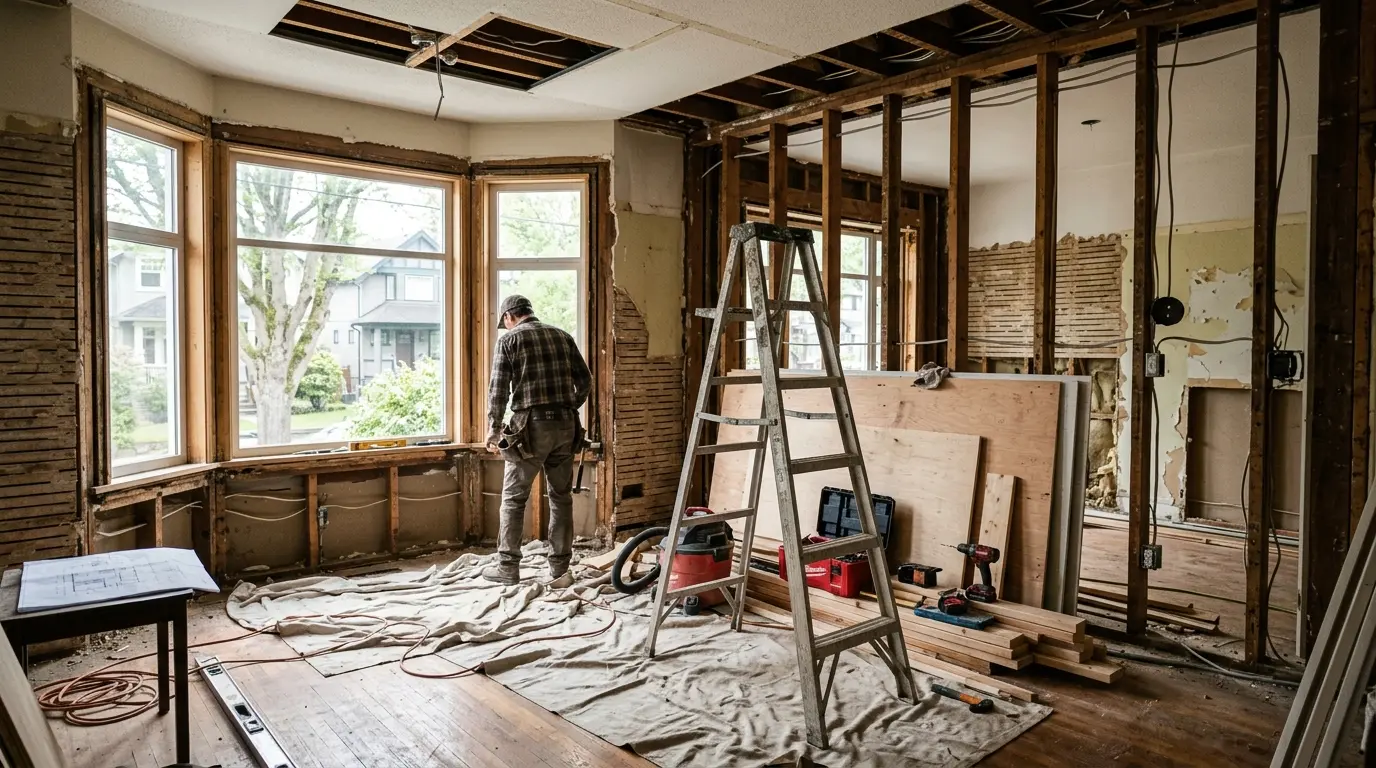
Building envelope remediation. This is the big one in Vancouver. Decades of buildings here were built during the leaky-condo era, and many wood-frame and even concrete buildings need their exterior cladding, windows, and waterproofing redone. Envelope jobs routinely run into the millions for a mid-size building. If you see scaffolding wrapped around a strata building anywhere in the city, you’re probably looking at an envelope project that an assessment helped pay for.
Roof replacement. Roofs have a finite life, usually a couple of decades depending on the material. When a depreciation report flags a roof as due and the reserve is thin, an assessment often follows.
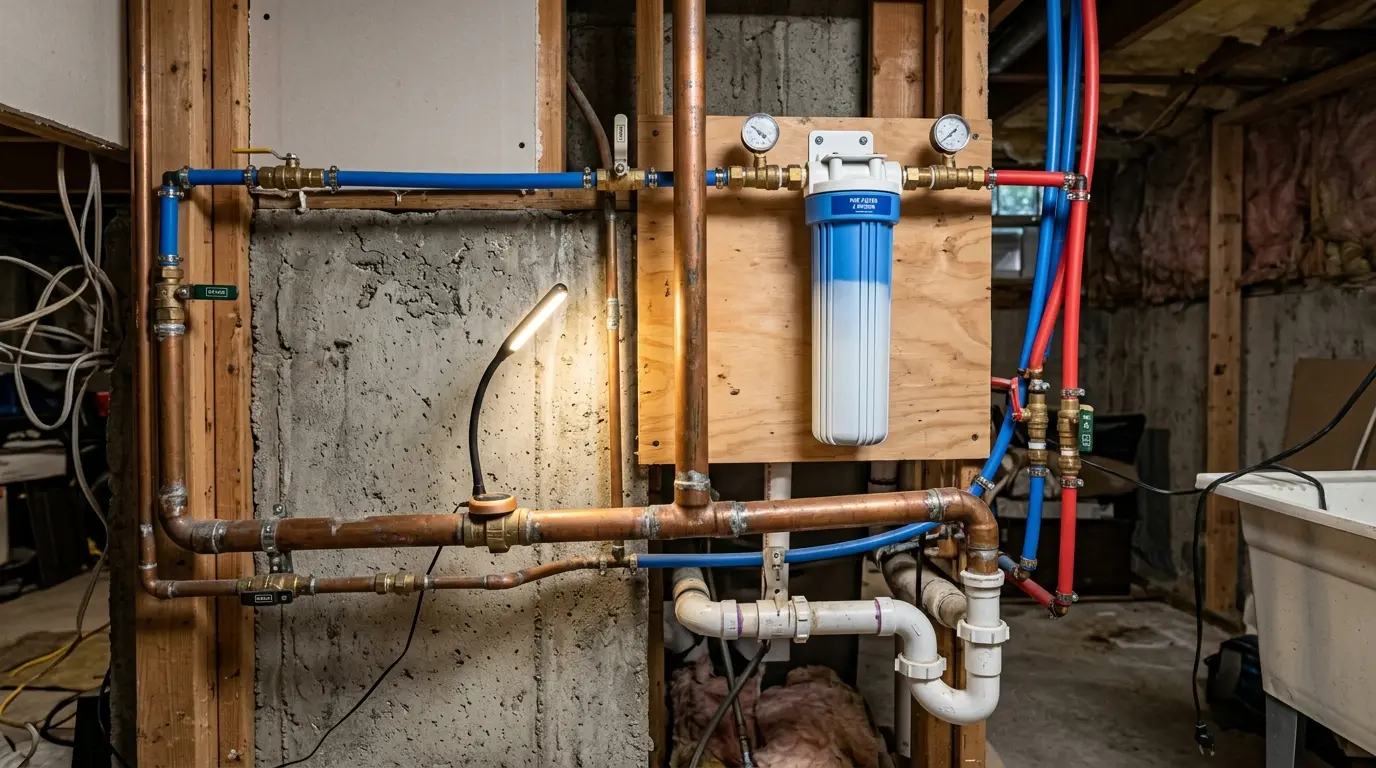
Plumbing and piping. Older buildings with original galvanized or polybutylene piping eventually face a full repipe. These are disruptive and expensive, and they tend to arrive as a surprise to owners who never read the engineering reports.
Insurance shortfalls and deductibles. This one has grown sharply in recent years. Strata insurance premiums and deductibles in BC have climbed, and a single major water-damage claim can leave the strata responsible for a deductible in the tens or even hundreds of thousands of dollars. If the strata doesn’t have that cash, it becomes a special assessment. I wrote more about this in the strata insurance deductible shock guide, and it’s worth understanding what your own condo insurance does and doesn’t cover in those situations.
Elevators, parkades, and mechanical systems. Less common but still significant, especially in older high-rises where modernizing an elevator or repairing a leaking parkade membrane can cost a fortune.
How to see one coming before you buy
This is where buyers protect themselves. Three documents do the heavy lifting.
The depreciation report
Most BC stratas are required to have a depreciation report, which is an engineer’s long-range forecast of what every major component in the building will cost to repair or replace and roughly when. Read the funding model section and look at what’s projected in the next one to ten years against the current reserve balance. If the report shows a $3 million envelope job due in three years and the CRF holds $400,000, you’re looking at a probable assessment.
These reports are dense, and the funding tables are easy to misread. I’ve put together a fuller walk-through in the depreciation report red flags guide, but the short version is: don’t just confirm the report exists, read what it says about money.
The strata meeting minutes
Ask for at least two years of council and general meeting minutes. This is where the real story lives. Engineering studies get commissioned here. Owners complain about leaks here. Councils debate whether to raise fees or levy an assessment here. The façade investigation that saved my client started as a single line in old minutes. Read every page.
The Form B Information Certificate
The Form B is a snapshot the strata provides for a sale. It lists the monthly fees, the current CRF balance, any special assessments already approved or being considered, and any known upcoming expenditures. It’s the official record, but it only captures what’s been formally decided. The minutes often reveal trouble that hasn’t reached the Form B yet.
When you’re touring units, the same careful eye helps. My open house checklist for Vancouver buyers covers the physical signs worth noticing, but for condos the paperwork tells you more than the suite ever will.
If an assessment lands on you
Say you already own, and the notice arrives. First, don’t panic, and don’t assume the number is final until the vote happens. Owners can ask questions, propose phasing the work, or push for competitive bids before a 3/4 vote passes. You have a voice at that meeting, so use it.
Once it’s approved, you have a few ways to pay.
- Home equity line of credit. If you have equity, a HELOC is often the cheapest and most flexible way to cover a lump sum.
- Mortgage refinance. Rolling the cost into your mortgage spreads it out, though it means going through approval and paying interest over a longer term.
- Personal loan. Faster to arrange than a refinance, usually at a higher rate.
- A strata payment plan. Some stratas let owners pay over several months, or arrange a corporate loan so the cost shows up as higher monthly fees instead of a lump sum. This is increasingly common for large envelope jobs.
Talk to a mortgage broker the moment you hear an assessment is likely. The payment deadlines are often tight, sometimes 30 to 60 days, and lining up financing in advance beats scrambling later.
Buying into a building with an assessment looming
This is where I spend a lot of time with clients, because a looming assessment isn’t automatically a reason to walk away. Sometimes it’s an opportunity, if you negotiate it right.
If a building has an approved or clearly anticipated assessment, who pays is negotiable. A few approaches I use:
- Price the assessment into your offer. If a $30,000 levy is coming, an offer reduced by that amount, or close to it, is reasonable.
- Make the seller responsible for an approved assessment. If the 3/4 vote has already passed before you write your offer, the contract can require the seller to pay it in full on or before completion. Sellers often agree because they were going to owe it anyway.
- Holdback for an anticipated-but-unvoted assessment. Trickier, since the amount isn’t fixed, but a holdback or a price adjustment can be negotiated.
The key is to keep your subject-to-review-of-strata-documents condition in place and use the review period to find out exactly where things stand. Buyers who waive that condition to win a competitive offer are the ones who get hurt. A building with a fully funded repair already underway and a healthy reserve afterward can be a perfectly good buy, sometimes a better one, because the big expense is behind it rather than ahead of it.
If you want to understand the broader cost picture of closing on a Vancouver condo, including the fees beyond the assessment itself, the closing costs calculator is a good starting point.
Key Takeaways
- A special assessment is a one-time charge owners pay when the strata’s budget and contingency reserve fund can’t cover a major repair. It needs a 3/4 vote to pass.
- Building envelope remediation, roof replacement, repiping, and insurance deductible shortfalls are the most common triggers in Vancouver.
- The depreciation report, two years of meeting minutes, and the Form B together tell you whether an assessment is likely. A thin reserve next to big upcoming repairs is the clearest warning.
- Financing options include a HELOC, a mortgage refinance, a personal loan, or a strata payment plan. Line up financing early because deadlines are tight.
- A looming assessment is negotiable, not necessarily a dealbreaker. Price it in, make the seller pay an approved levy, or negotiate a holdback, and never waive your strata document review to win a bidding war.
Frequently Asked Questions
What is a strata special assessment in BC?
A special assessment is a one-time charge a strata corporation levies on owners to cover a cost the regular operating budget and contingency reserve fund cannot. It usually pays for major repairs like roofing, plumbing, or building envelope work. It must be approved by a 3/4 vote at a general meeting, and each owner pays a share based on their unit entitlement.
How is a special assessment different from the contingency reserve fund?
The contingency reserve fund (CRF) is money the strata saves over time from regular monthly fees to pay for future repairs. A special assessment is an extra charge collected only when the CRF and operating budget fall short of what a repair costs. A healthy CRF reduces the chance of a special assessment, which is why buyers should check the fund balance before purchasing.
Can I get a mortgage or loan to pay a special assessment?
Yes. Common options include drawing on a home equity line of credit, refinancing your mortgage, a personal loan, or a payment plan the strata may offer over several months. Some stratas arrange a corporate loan so owners pay their share through higher monthly fees instead of a lump sum. Talk to a mortgage broker early, because timelines for these payments are often tight.
Who pays a special assessment if the unit is sold during the process?
It depends on when the assessment was approved and the wording of the purchase contract. Generally, whoever owns the unit on the date the strata levies the charge is responsible, but buyers and sellers routinely negotiate who absorbs it. This is why the Form B Information Certificate and the contract’s representations about assessments matter so much in a sale.
How can I tell if a building is likely to have a special assessment soon?
Read the depreciation report for repairs coming due in the next few years, check the contingency reserve fund balance against those projected costs, and read the last two years of strata meeting minutes for discussions of envelope problems, leaks, or engineering studies. A low reserve fund paired with major repairs on the horizon is the clearest warning sign.
Sources
- BC Government — Strata Housing (special levies, depreciation reports, governance)
- Condominium Home Owners Association of BC (CHOA)
- Real Estate Council of BC / BC Financial Services Authority (BCFSA)
- Insurance Bureau of Canada — strata and condo insurance
- Canada Mortgage and Housing Corporation (CMHC)
Work with Rain City Properties
Strata documents are where good condo deals are won and bad ones are avoided. I read these reports for clients every week, and I’d rather spend an hour flagging a problem before you write an offer than help you clean one up afterward. Whether you’re buying your first condo or selling a unit in a building with repairs on the horizon, I can help you see the full picture.
Contact Greyden Douglas directly at (604) 218-2289 or book a call to discuss your Vancouver real estate goals.
Frequently asked questions
What is a strata special assessment in BC?
A special assessment is a one-time charge a strata corporation levies on owners to cover a cost the regular operating budget and contingency reserve fund cannot. It usually pays for major repairs like roofing, plumbing, or building envelope work. It must be approved by a 3/4 vote at a general meeting, and each owner pays a share based on their unit entitlement.
How is a special assessment different from the contingency reserve fund?
The contingency reserve fund (CRF) is money the strata saves over time from regular monthly fees to pay for future repairs. A special assessment is an extra charge collected only when the CRF and operating budget fall short of what a repair costs. A healthy CRF reduces the chance of a special assessment, which is why buyers should check the fund balance before purchasing.
Can I get a mortgage or loan to pay a special assessment?
Yes. Common options include drawing on a home equity line of credit, refinancing your mortgage, a personal loan, or a payment plan the strata may offer over several months. Some stratas arrange a corporate loan so owners pay their share through higher monthly fees instead of a lump sum. Talk to a mortgage broker early, because timelines for these payments are often tight.
Who pays a special assessment if the unit is sold during the process?
It depends on when the assessment was approved and the wording of the purchase contract. Generally, whoever owns the unit on the date the strata levies the charge is responsible, but buyers and sellers routinely negotiate who absorbs it. This is why the Form B Information Certificate and the contract's representations about assessments matter so much in a sale.
How can I tell if a building is likely to have a special assessment soon?
Read the depreciation report for repairs coming due in the next few years, check the contingency reserve fund balance against those projected costs, and read the last two years of strata meeting minutes for discussions of envelope problems, leaks, or engineering studies. A low reserve fund paired with major repairs on the horizon is the clearest warning sign.
Related Vancouver real estate pages
Continue with local service pages, neighbourhood guides, and actionable resources related to this topic.